Emma, a 32‑year‑old graphic designer, was stuck on a rainy weekend with a stack of unpaid bills and a half‑finished novel. She opened the app store on her phone, scrolled past the endless sea of games, and clicked on a puzzle game that promised a “5‑minute daily challenge.” The first level was a simple match‑three, and within a few minutes she felt a rush of accomplishment. By the time the rain stopped, she had completed three levels and earned a virtual badge. That tiny victory sparked a habit that lasted months, and Emma began to notice how that habit was reshaping her free time and social circles.
Mobile Games as Micro‑Entertainment Blocks
According to the UK Interactive Entertainment Association, 68% of UK adults own a smartphone capable of running high‑graphics games. On average, they spend 45 minutes a day on casual titles, which translates to about 3,000 minutes of entertainment per month. These micro‑sessions compete with traditional leisure activities such as watching TV or reading. When people schedule a 10‑minute game break, they often choose it over a coffee break, because the app delivers instant feedback and a clear progress bar.
In urban areas, cafés report a 12% increase in foot traffic during peak game‑release weeks. The game developers supply timed events that encourage players to return, creating a predictable rhythm that aligns with the city’s nightlife. The result is a new layer of social interaction that occurs both in person—sharing high scores on the sidewalk—and online, through leaderboards and chat rooms.
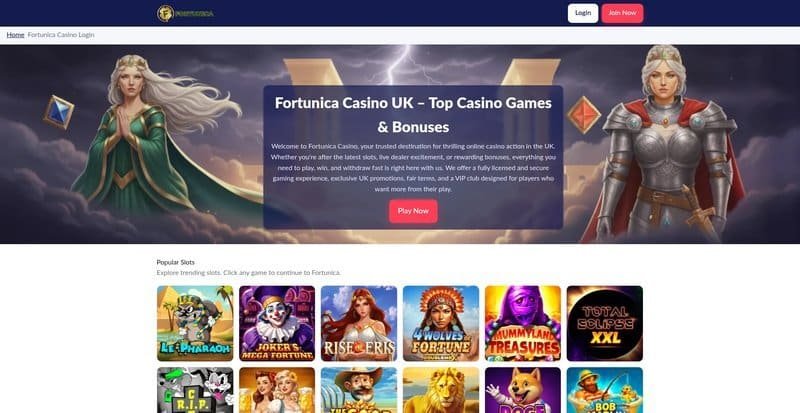
For those craving a different kind of challenge, Casino Fortunica offers an online gaming experience that blends skill and chance.
Economic Ripple Effects on the UK Entertainment Sector
The mobile gaming market generated £1.3 billion in revenue in 2023, a 9% rise from the previous year. A significant portion of that money—about £350 million—flows into indie studios that operate out of home offices. These studios hire local talent, ranging from 3D artists to sound designers, creating jobs that are often seasonal but highly flexible.
Retailers have noticed a shift in consumer behavior. A survey by RetailUK found that 22% of shoppers now use their phones to scan QR codes in stores to unlock special offers tied to mobile games. The integration of gamified loyalty programs has boosted average basket sizes by 4% in participating outlets.
Challenges: Screen Time and Digital Well‑Being
While mobile gaming offers convenience, it also raises concerns about screen time. The NHS reports that 38% of adults exceed the recommended 2 hours of leisure screen use per day. Excessive gaming can interfere with sleep patterns, especially when notifications are enabled late at night. Parents often struggle to balance their children’s educational apps with entertainment games, leading to a call for clearer age‑rating guidelines.
Device manufacturers have begun to address this by incorporating “Focus Mode” settings that limit daily playtime. However, these features rely on user compliance; if a player disables the limit, the game’s in‑app purchases can still drive prolonged sessions.
From Casual Play to Competitive Culture
Esports tournaments hosted on mobile platforms have attracted viewership numbers comparable to traditional sports events. In 2024, the UK’s largest mobile esports league drew 1.2 million live viewers, with sponsorship deals totaling £18 million. This shift has prompted broadcasters to experiment with short‑form streaming, delivering 15‑minute highlights that fit into commuters’ morning routines.
Moreover, the rise of mobile game streaming on platforms like Twitch has created a new niche for content creators. Those who master a specific title can earn between £500 and £3,000 per month through ad revenue and fan subscriptions, depending on engagement levels.
Gaming and the Future of Social Interaction
As mobile games become more socially oriented, they are redefining what it means to “hang out.” Group challenges, co‑operative missions, and shared virtual spaces allow friends to collaborate without leaving their homes. This trend is particularly evident among Gen Z, who report that 65% of their social interactions now occur through shared gaming experiences.
Educational institutions are also tapping into this shift. Schools in London have introduced mobile game‑based learning modules that reward students with points for completing math quizzes, effectively blending education with entertainment.
When the Line Between Leisure and Play Blurs
Emma’s story illustrates a broader trend: mobile gaming is no longer a niche pastime but a mainstream entertainment pillar. It occupies a unique space where short, engaging content meets social connectivity, all delivered through a device that fits in a pocket. This convergence has altered how people allocate free time, how businesses market to consumers, and how communities form around shared virtual goals.
Looking Ahead
With 5G rollout and advances in augmented reality, the next wave of mobile games promises even more immersive experiences. Developers are already experimenting with location‑based quests that blend real‑world exploration with digital rewards. If the current trajectory continues, mobile gaming will not just shape entertainment—it will reshape everyday life in the UK.
Frequently Asked Questions
What prompted Emma to try the puzzle game?
She was stuck with bills and a half‑finished novel on a rainy weekend and needed a quick, engaging distraction.
How many levels did she complete before rain stopped?
Emma completed three levels, earning a virtual badge.
What type of game did she play?
A match‑three puzzle game offering a 5‑minute daily challenge.
What did the experience inspire her to do?
It sparked a new habit of daily quick gaming sessions that helped her feel accomplished.
